
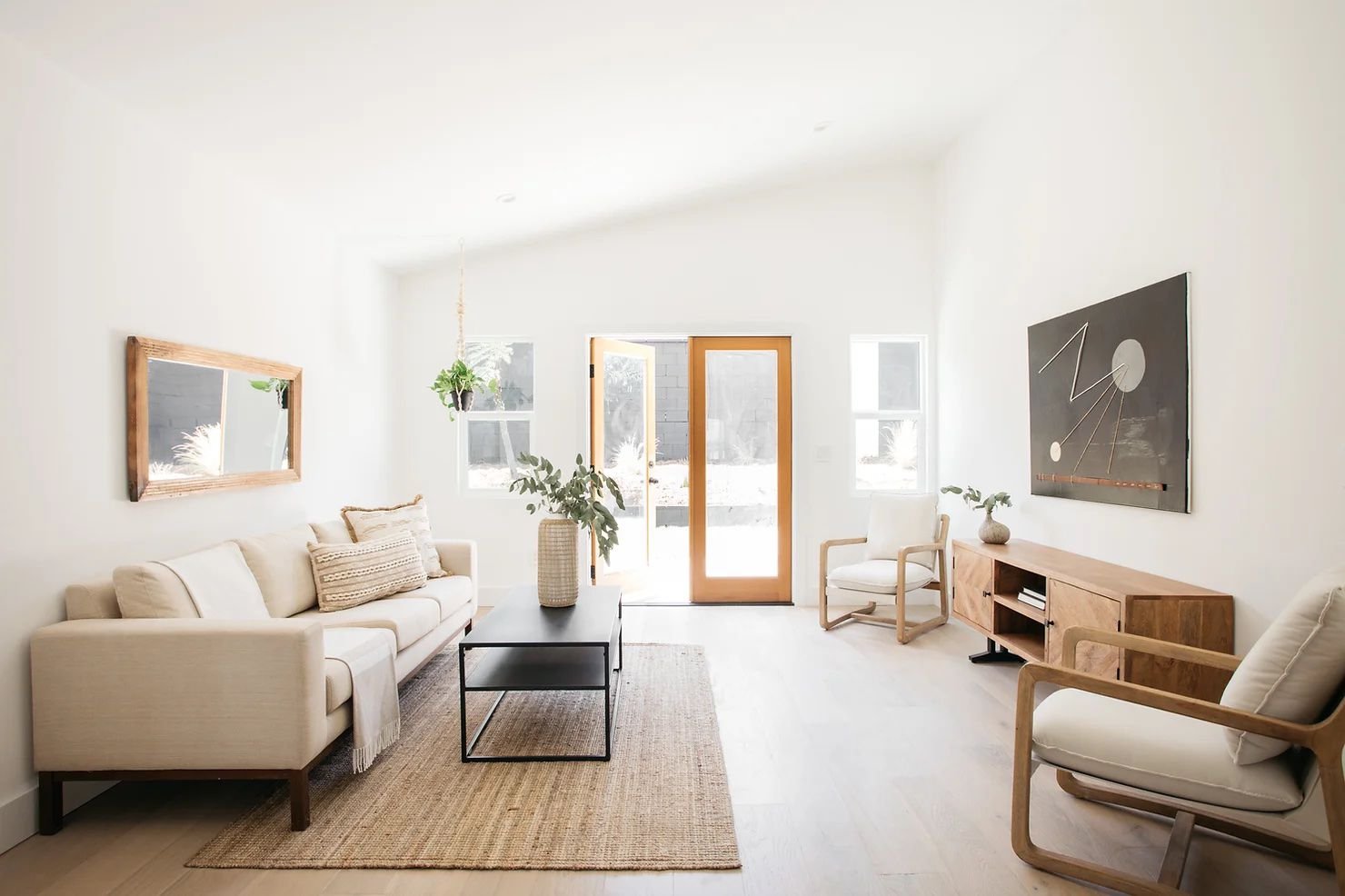
Minimalist living is often reduced to images of empty white rooms and carefully curated shelves, but true minimalism goes far beyond your physical space. At its core, minimalist living is about intentionality—choosing what genuinely adds value to your life and letting go of what doesn’t. Decluttering your life means examining not just what you own, but how you spend your time, where your energy goes, and what occupies your mind. Many people feel overwhelmed not because they have too much stuff, but because they have too many commitments, distractions, and unexamined expectations. Minimalism offers a framework to slow down and make conscious choices, rather than reacting to constant noise. When you shift the focus from owning less to living better, minimalism becomes less about deprivation and more about freedom. It’s a tool for creating space—mental, emotional, and practical—so you can align your daily life with your values instead of external pressures.
Decluttering Your Time: Creating Space for What Matters
One of the most powerful ways to practice minimalist living is by decluttering your time. Modern life rewards busyness, often equating a packed schedule with productivity or importance. However, a cluttered calendar can be just as draining as a cluttered home. Start by auditing how you actually spend your time over a typical week. Identify commitments that feel obligatory rather than meaningful, and question whether they truly align with your priorities. Minimalism encourages saying “no” more often, not out of selfishness, but out of respect for your limited energy. By intentionally choosing fewer activities, you create room for deeper focus, rest, and relationships. White space in your schedule isn’t wasted time; it’s where creativity, clarity, and recovery happen. Decluttering your time helps you move from reactive living to purposeful living, allowing you to invest fully in what genuinely enriches your life.
Mental Decluttering: Letting Go of Noise and Comparison
Mental clutter is often the most invisible—and the most exhausting—form of clutter. Endless notifications, constant news consumption, and habitual comparison quietly compete for your attention every day. Minimalist living invites you to curate your mental environment just as carefully as your physical one. This may mean reducing social media use, unsubscribing from unnecessary emails, or setting boundaries around when you consume information. Beyond external inputs, mental clutter also includes unhelpful beliefs, perfectionism, and the pressure to meet unrealistic standards. Practicing mindfulness, journaling, or simple reflection can help you identify thought patterns that no longer serve you. Minimalism doesn’t mean emptying your mind; it means making space for thoughts that are intentional, constructive, and aligned with your values. When mental noise is reduced, decision-making becomes easier, stress levels drop, and you regain a sense of internal calm that supports clearer, more confident living.
Simplifying Relationships and Commitments
Another overlooked aspect of minimalist living is relational decluttering. This doesn’t mean cutting people out indiscriminately, but rather being honest about which relationships are nourishing and which are consistently draining. Minimalism encourages quality over quantity, allowing you to invest more deeply in fewer, more meaningful connections. The same principle applies to commitments and obligations. Overcommitting often stems from a desire to please others or fear missing out, but it can lead to resentment and burnout. By setting clear boundaries and communicating them respectfully, you protect both your energy and your relationships. Simplifying your social and professional commitments creates emotional space and reduces chronic stress. It also allows you to show up more fully where it truly matters. In this way, minimalist living becomes an act of self-respect, helping you build a life rooted in authenticity rather than obligation.
Living Intentionally: Minimalism as a Long-Term Practice
Minimalist living is not a one-time purge or a rigid set of rules—it’s an ongoing practice of intentional choice. As your life evolves, so will your priorities, and minimalism adapts with you. The goal is not perfection, but awareness: regularly checking in with yourself to ensure your habits, commitments, and environment still support the life you want to live. Decluttering your life—beyond your home—creates room for growth, presence, and purpose. It allows you to respond thoughtfully rather than react automatically. Over time, this intentional approach builds resilience and clarity, making it easier to navigate change without becoming overwhelmed. Minimalism ultimately asks a simple but powerful question: “Is this adding value to my life?” By repeatedly asking and answering that question honestly, you create a life that feels lighter, more focused, and deeply aligned with what truly matters.





Leave a Reply